Corn Planting Season Begins in Pamlico County
Spring has sprung, and for Pamlico County farmers that means it’s planting season. Pamlico County residents may have noticed the flurry of activity occurring in local fields in preparation for the coming season. This includes fertilizer and weed control applications, drainage management activities, and tillage operations. In this article, I will provide a quick insight into the current corn crop and discuss some of the unique challenges that growers face in 2026.
Modern Farming and Pre-Season Planning for Corn Production
The days of horse-drawn equipment are long past as modern agriculture has evolved to become more efficient. This efficiency is driven by low commodity prices, ever-increasing input costs, and the need to produce more bushels of corn on fewer acres with fewer people, just to remain profitable. As a reminder to our readers, farming is a business, and unless farms remain profitable, they cannot continue to produce crops.
Key Decisions Made Before Planting Season
To this end, many decisions about the current crop were made several months ago. This included selecting seed corn based upon yield performance, collecting soil samples and amending soil fertility to optimize growth, and simply deciding how many acres could be planted based upon price and cost projections that change daily.
Corn Planting and Germination Process
Once planting has begun, corn seed is placed into the ground to a depth of about 2 inches. From this moment onward, Mother Nature dictates how the season unfolds. For optimal germination to occur, corn seeds need adequate moisture and the accumulation of a specific number of hours of warm temperatures above 50 degrees. With sufficient temperatures, most of the seeds planted will germinate within 5-7 days after planting and rise uniformly above the soil within a 24-hour period.
Impact of Uneven Emergence on Corn Yield
If cool temperatures prevail, germination is delayed and corn seeds will struggle to arise uniformly. This inconsistency reduces corn yield by 8-10%, as the earliest plants to arise will out-compete late comers.
Critical Growth Stages and Yield Potential in Corn
Importance of the V-7 Growth Stage in Corn Development
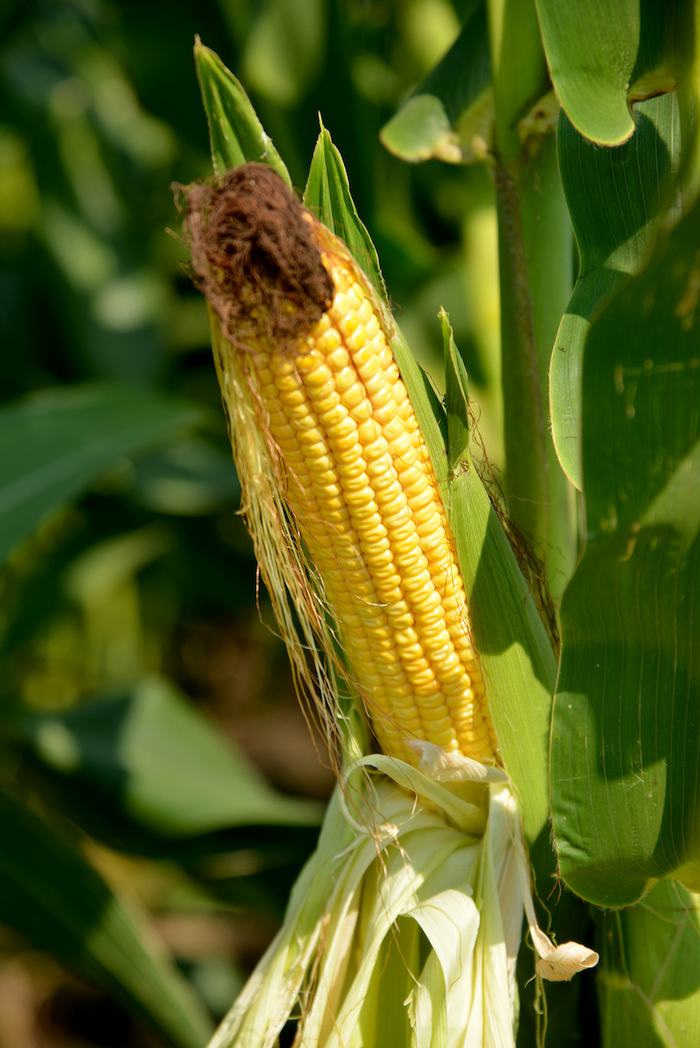
When corn plants reach the V-7 stage (plant has 7 leaves), the number of kernel rows around the cob become set. Any significant stress at this period (wet, dry, or fertility-related stress) can decrease the number of kernels rows, which can have a large impact on yield potential.
Nitrogen Management and Weed Control During Early Growth
Around this V-7 stage, growers will begin to apply additional nitrogen fertilizer and provide additional weed control. This may sound simple, but this may be the last opportunity growers have to affect yield. Nitrogen fertilizer is essential to optimal growth and yield potential.
Risks of Nitrogen Loss in Corn Production
However, if heavy rains occur early in the growing season, large amounts of nitrogen that was applied before planting, and nitrogen naturally available within the soil, could be lost to leaching and denitrification (microbes release nitrogen into the atmosphere when soil oxygen is low). If growers do not account for these potential losses, corn plants will run out of nitrogen later in the season resulting in reduction in yield.
Similarly, weeds compete for water, sunlight, and nutrients and must be controlled to produce a profitable yield. If weeds out-compete young corn plants early in the season, as much as 50% of the yield potential can be lost and never recovered.
Challenges Facing Corn Growers in 2026
Unique to 2026, is the current shortage of nitrogen and its increasing price. As the conflict in the Persian Gulf creates a choke hold on supply chains, growers are uncertain if current available nitrogen stocks will be sufficient to finish this year’s crop.
Late-Season Corn Growth and Harvest Risks
Once plants reach the VT tassel stage (tassels are male flowers at the top of corn plants), corn plants are sufficiently tall to shade out most weed competition. Plant height also limits most field activity as ground equipment can no longer transverse the crop without damage.
From this point forward, the corn crop is subject to Mother Nature and farmers can only hope that their preparations early in the season will support a robust plant that can endure environmental stress until harvest.
Weather Risks During Harvest Season
However, once harvest arrives farmers must still compete with hurricanes, as they rush to harvest corn before storms degrade grain quality or reduce yield from wind damage and flooding.
Weather Trends and Yield Outlook for 2026 Corn Crop
Unfortunately, the past two years have seen high temperatures and drought conditions persist through tasseling and silking, resulting in lower-than-average yields. While the current long-range forecast calls for warmer than average temperatures and higher than average rainfall, there is always uncertainty as to when these conditions will arrive and how much stress it will place upon the crop.
Supporting Local Farmers in Pamlico County
From this brief article, I hope readers understand that successful corn production in Pamlico County is about overcoming challenges, whether financial or climatic. Please recognize that 2026 will be a challenging year for growers, and optimism needs to be encouraged.
Contact Pamlico County Cooperative Extension for More Information
For more information on corn production or other crops in Pamlico County, you can contact Daniel Simpson, Agricultural Extension Agent, at 252-745-4121 or Daniel_simpson@ncsu.edu.