Over the past 20 years while I have worked with Cooperative Extension, numerous gardeners have sought advice through my office in regard to growing tomatoes. Disease, insects, and generally poor growth seem to plague their efforts, leading to claims that tomatoes cannot be grown in Pamlico County. However, I argue that tomatoes are ferocious growing plants that can easily be grown by most homeowners if they follow a few simple recommendations.
Simple Tips for Growing Tomatoes Successfully
If you focus on a few key practices, you can grow strong, productive tomatoes right here in Pamlico County.
Choose Tomato Varieties Resistant to Tomato Spotted Wilt Virus (TSWV)
Consistently, Tomato Spotted Wilt Virus (TSWV) causes more problems for home gardeners than any other factor I have encountered.
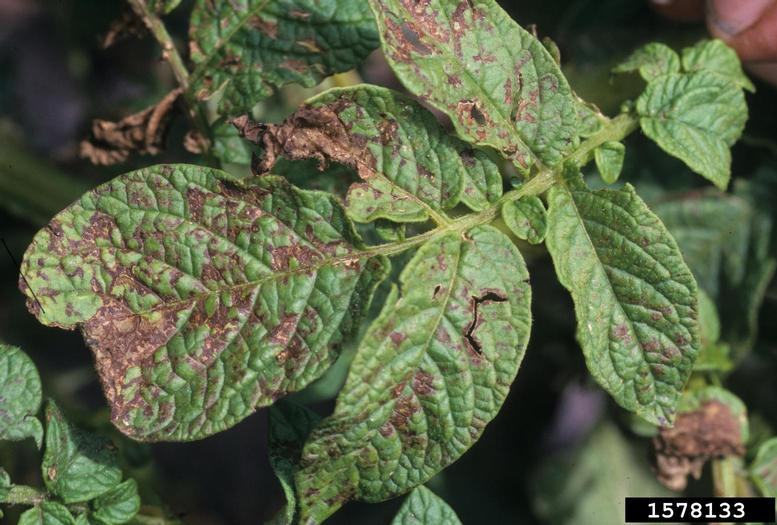
Brown spotting and leaf discoloration caused by Tomato Spotted Wilt Virus (TSWV), a common disease affecting home garden tomatoes.
Symptoms include general wilting of plants, dark spots or speckling of leaves (typically on newer growth towards the top), and dark streaks on the surface of stems. The virus eventually leads to poor growth, stunted plants, discoloration of fruit, and plant death.
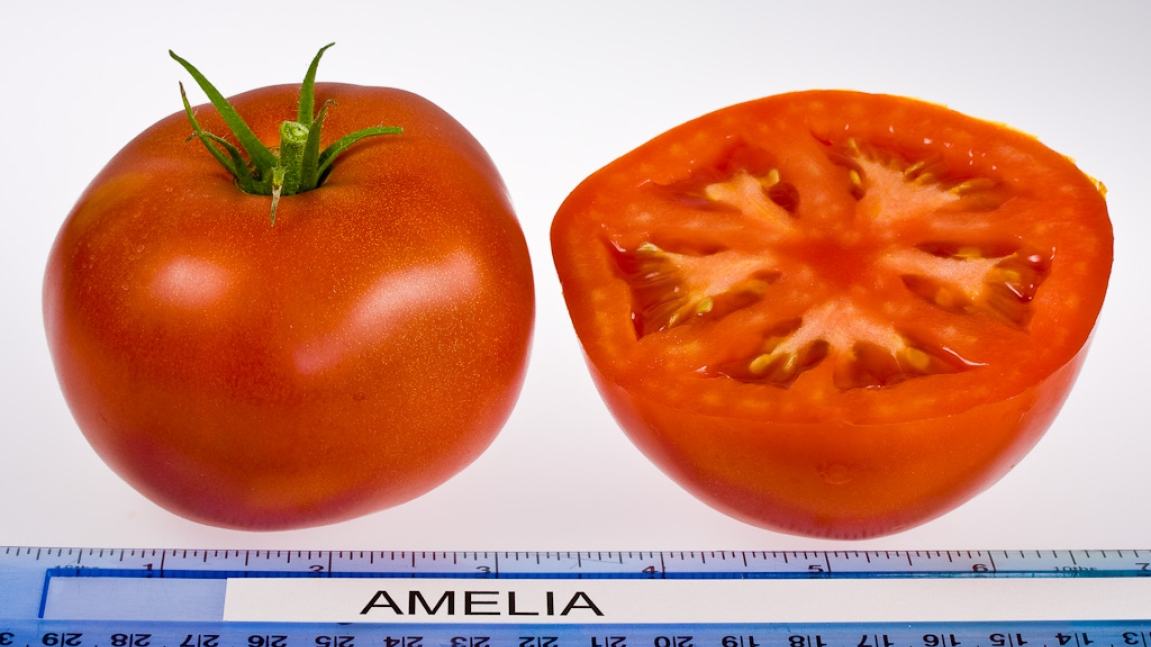
The Amelia tomato is a recommended variety for Pamlico County gardens due to its resistance to Tomato Spotted Wilt Virus and strong plant performance.
I always recommend that home gardeners plant at least one resistant variety (Amelia, Top Gun, Crista, Mountain Magic, etc.). Heirloom varieties like Cherokee Purple carry no resistance to this virus, neither do some more modern hybrids, like Better Boy or Celebrity.
Tomato Spotted Wilt Virus is spread by thrips, insects that transmit the virus as they suck on plant juices. Spraying insecticide for thrips is often ineffective because the insects transmit the virus faster than the insecticide can kill them. Tall, weedy growth near gardens may attract and harbor thrips, so weed control is important.
Fertilize Tomatoes Properly for Strong Growth and Fruit Production
Tomatoes need fertilizer. Too often home gardeners use the “plant it and forget it” approach with tomatoes. Unfortunately, like most other vegetables, tomatoes need good fertility to grow productive plants and large tomatoes.
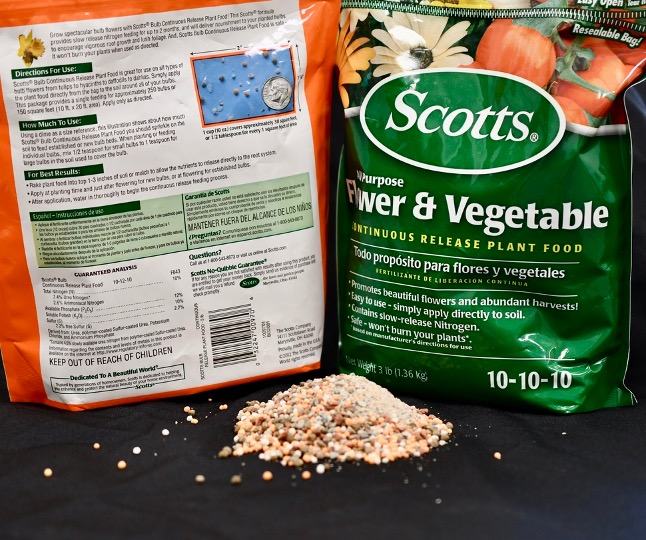
Water-soluble fertilizers, such as Scotts Flower and Vegetable plant food, provide essential nutrients to support healthy tomato growth and fruit development.
When setting out transplants in gardens or containers, provide an application of water-soluble fertilizer containing both nitrogen and phosphorus. It does not matter if it is derived organically or from other sources (Miracle-Gro), only that the nutrients are in a water-soluble form that plants can use immediately.
Later, as plants grow and begin to flower, additional nitrogen fertilizer will help encourage growth and fruit development. Calcium nitrate (15.5-0-0) is my preferred nitrogen source for tomatoes, providing both nitrogen for growth and additional calcium to help prevent blossom end rot. Additional nitrogen applications may be needed during the growing season to encourage continual growth.
Manage Water Consistently to Prevent Blossom End Rot and Fruit Damage
Lastly, water management is important. Keep those plants well-watered. Inconsistent moisture in the soil will cause catfacing (cracking of fruit), slow growth, and encourage blossom end rot development. Soils with lots of dark organic matter will retain moisture longer than sandy soil. Potting mixes for containers should have moisture retention additives, but the small rooting space of containers requires watering multiple times a day as plants mature. If you plan to go on vacation for a week and leave your plants unattended, do not be surprised when blossom end rot occurs. When watering, keep foliage dry and try to only place water on the soil surface, as this will help limit spread of disease. Mulching can help retain moisture and reduce weed competition. A 2–3-inch layer of mulch is sufficient for most plantings.
Contact for More Information
With these three simple tips, you can produce a healthy and abundant tomato crop in Pamlico County. If you have questions about growing tomatoes or other crops, please contact Daniel Simpson at the N.C. Cooperative Extension Pamlico County office at 252-745-4121 or daniel_simpson@ncsu.edu.