Filtering by tag: Pest Management

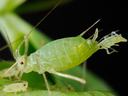
Close-up photo of an adult aphid surrounded by baby aphids on a plant stem.

Managing Aphids in the Home Garden

Article pulled from Extension note created by Extension Master Gardener℠ Volunteer of Pamlico County Lori Gaskins.Aphids are tiny insects that often go unnoticed in the home garden. They are very…

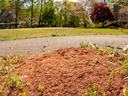
Fire ant mound in grass beside a walking path, with loose dusty soil piled up.

Fire Ants (Solenopsis Invicta)

Insect Note by Teresa Casey, Extension Master Gardener℠, Pamlico County Center Description Red Imported Fire Ants (Solenopsis invicta) inhabit all or parts of many southeastern states in the US. Fire…

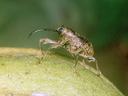
Close-up side profile of an adult pecan weevil on a green pecan, showing its long snout and reddish-brown body.

Time to Manage Pecan Weevils

(Taken from an article written by Jessica Strickland, Extension Agent Wayne County, NC)Time to Manage Pecan Weevils August through September is the time of year to manage pecan weevils as they begin…

Young collard transplants growing in the Pamlico County extension garden.

Fall Collards – It’s Time to Plant!

If you haven’t made plans to plant your fall collards, now is the time to start that process. Collards are a southern staple that can be found on many holiday tables. Packed with vitamin A and K,…

Flooded forest floor with standing water around tree trunks

Why Are My Trees or Shrubs Dying?

“Why are my plants dying” is a very common question that I receive through the Extension office. Over the past two years, our climatic conditions have been rather extreme and this question has…

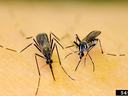
Two mosquitoes feeding on human skin, showing close-up detail of their long proboscises during blood feeding.

Moisture Brings Mosquitoes

With an increase in summertime precipitation, residents should not be surprised to see an increase in biting insects. Biting flies and mosquitoes are the most common of these in Pamlico County, with…

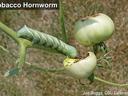
Tobacco hornworm feeding on a ripening tomato, with image credit to Joe Boggs, OSU Extension.

Protect Your Tomatoes From Hornworms This Season

If the leaves of your tomato plant seem to suddenly be disappearing, take a closer look. There is a good chance there are one or more hornworms feeding on your plant. Left unchecked, hornworms can…

Two tomatoes showing characteristic discoloration from Tomato Spotted Wilt Virus, including mottled red and orange patches.

Tomato Spotted Wilt Virus: What Gardeners Need to Know

Tomato Spotted Wilt Virus Identified in Pamlico County Recent tomato samples submitted to the N.C. Cooperative Extension, Pamlico County Center have tested positive for Tomato Spotted Wilt Virus…

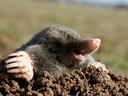
Mole emerging from a mound of loose soil in a residential yard.

Managing Moles in Your Lawn

Moles have been a consistent problem this spring as mild winter temperatures have accelerated their activity. Tunneling by moles affects rooting and turf growth, and can lead to scalping of turf…

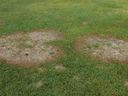
Lawn with two circular patches of brown, dead grass indicating large patch disease infection.

Spring Large Patch Disease

Back in November I reminded readers to scout their yards for the presence of Large Patch disease. As soil temperatures were beginning to decline, the fungi Rhizoctonia solani was becoming active and…