Essential Winter Chores for a Healthier Spring Garden
(Updated: Jan. 13, 2025, 6:19 a.m.)
Winter is here but spring is just around the corner. Use this time to perform a few garden chores and start planning for spring planting.
Winter Pruning Tips
Winter dormancy pruning can also be conducted during the next couple of months.Pruning Fruit Trees
To learn more about pruning of fruit trees, review the Extension publication ‘Training and Pruning Fruit Trees in N.C.’. You can also find several videos from Extension Tree Fruit Specialist, Dr. Mike Parker, for peach and pecan tree care through our NC State Extension YouTube channel.Avoid Early Pruning for Flowering Shrubs
Remember to hold off on heavy pruning of spring flowering shrubs like Azaleas and Camellia. Wait until they have flowered, then proceed to make those cuts. Pruning of these plants early may result in removal of flower buds.Guidelines for Summer Flowering Plants and Evergreens
Summer flowering plants like Crape myrtle and evergreen shrubs can be pruned immediately. However, try not to remove more than 1/3 of the canopy of any plant during one year. Light, corrective pruning all year long is much easier than large, heavy pruning during winter. Winter pruning generally invigorates plants, so watch for a large flush of new growth in the spring. For specifics on when and how to make those pruning cuts, visit the NC State Extension publication ‘General Pruning Techniques’.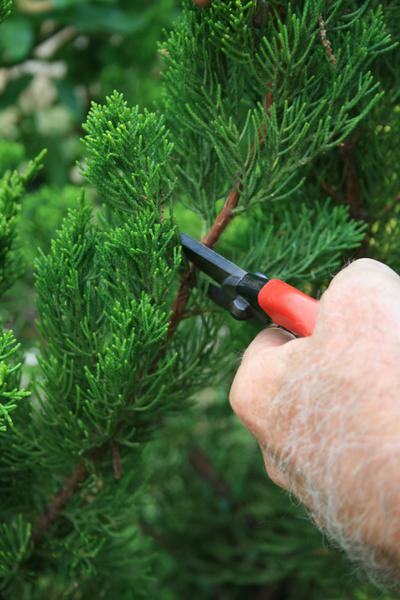
Planting Trees and Shrubs in Winter
Planting of trees and shrubs can be conducted almost year-round with containerized plants, but establishment is much easier when planting occurs during cooler parts of the year. With less demand for canopy growth, plants can focus energy on root development before the spring warm-up begins.Best Practices for Planting Success
Remember not to plant too deeply and encourage root growth by pruning back restricted root systems that occur in containers. For more planting tips, review the NC State Extension video series from Dr. Barbara Fair, Extension Horticultural Specialist.Managing Winter Lawn Weeds
Lastly, do not forget about those winter lawn weeds. Winter annuals and perennials are much easier to control in the fall, but we can still take action now.Controlling Winter Broadleaf Weeds
Most winter weeds are broadleaf plants and can be controlled with mixtures of broadleaf herbicides like Ortho-Weed-B-Gone or Speed Zone Southern. However, cold temperatures will decrease efficacy of these products and add additional time before you notice results. Just be patient and follow the label directions. Stay away from “weed and feed” products during the dormant season. Save the fertilizer for after spring green up, as applications of nitrogen fertilizer during winter dormancy is not recommended for warm season grasses. For more information on identifying & controlling winter weeds follow this link to the NC State Extension Turffiles website.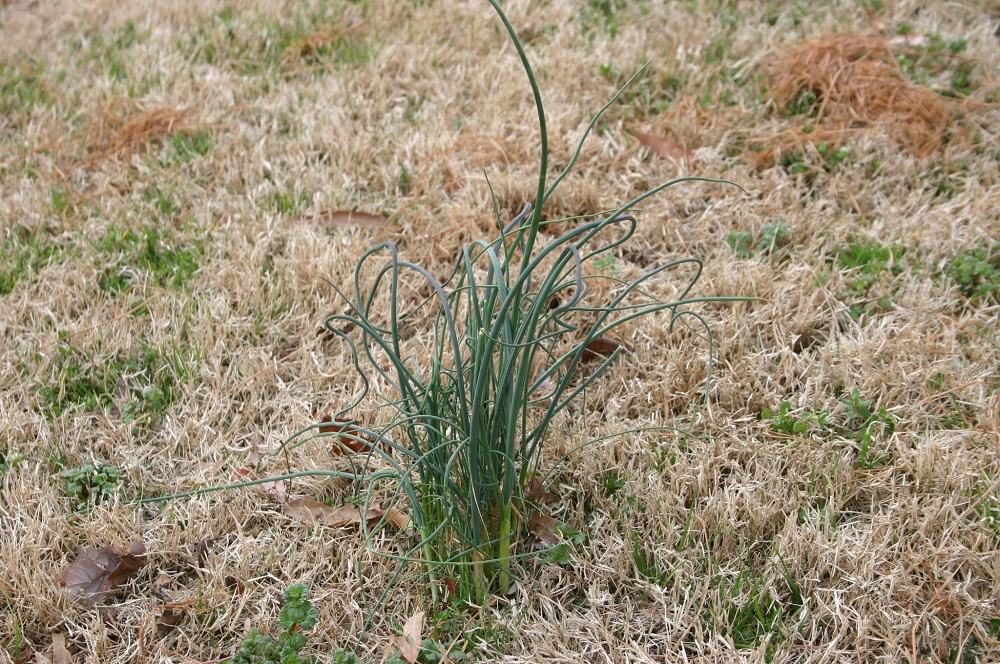
Additional Resources and Contact Information
For more information on any of these subjects, please contact Daniel Simpson at 252-745-4121 or Daniel_simpson@ncsu.edu.Join our mailing list!
Enter your email address to receive updates.
Written By