Time to Plant That Fruit!
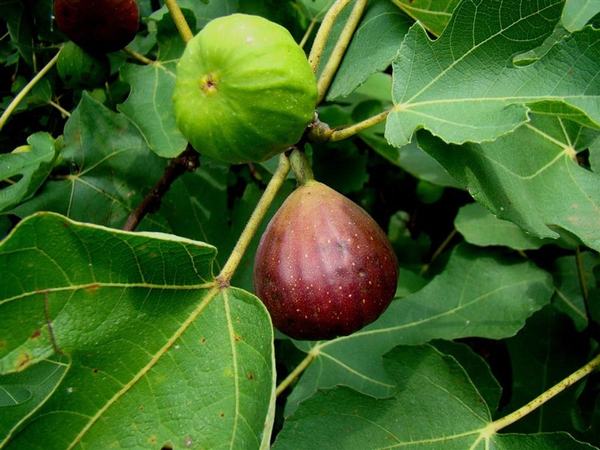
Winter temperatures may occasionally cause dieback with figs, but trees will regrow during the summer. Little pruning is required for figs, but do not be afraid to cut these trees back if needed. Figs are grown on their own roots, so grafted plants are not required. For more information on growing figs in North Carolina, review the NC State Extension Fig Culture note.
Growing Apple and Pear Trees
Apple and pear trees are typically produced as grafted plants. Grafted trees provide disease protection and the ability to control plant height.Rootstocks and Grafting Considerations
Dwarfing rootstocks are recommended for homeowners to help maintain a growth range that can be easily managed, but pruning will still be required to maintain a particular height.Planting Grafted Trees Correctly
Always plant grafted trees with graft unions at least 2-3 inches above the soil line and do not plant into wet soil conditions.Training and Pruning Apple & Pear Trees
Apples and pears will need routine training and pruning to produce a tree structure that will support a heavy fruit load and promote tree health. For more information on pruning apple and pear trees, refer to the N.C. State Extension publication 'Training and Pruning Fruit Trees'.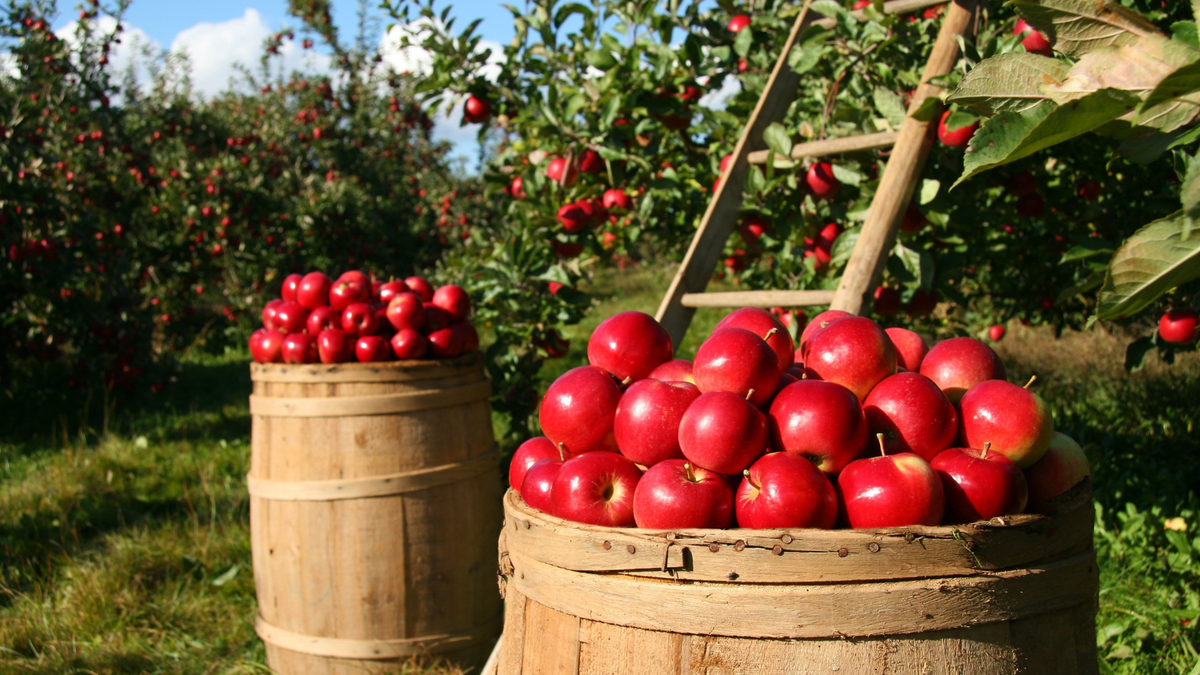
Recommended Apple and Pear Tree Varieties
Varieties that have performed well in Pamlico County include: Apples (Ginger Gold, Gold Rush, Gala, Fuji), Pears (Kieffer, Moonglow, Harrow Delight). Apples and pears typically require at least two different varieties for cross-pollination, so remember this when ordering.Growing Peach Trees in Pamlico County
Peach trees can be difficult to grow in Pamlico County because of disease and insects.Recommended Peach Varieties and Rootstock
Two recommended varieties for North Carolina include Contender and China Pearl, preferably grown on Contender rootstock. This variety and rootstock combination will provide a better defense against various disease issues and provide the proper chilling requirements to limit freeze damage to flower buds.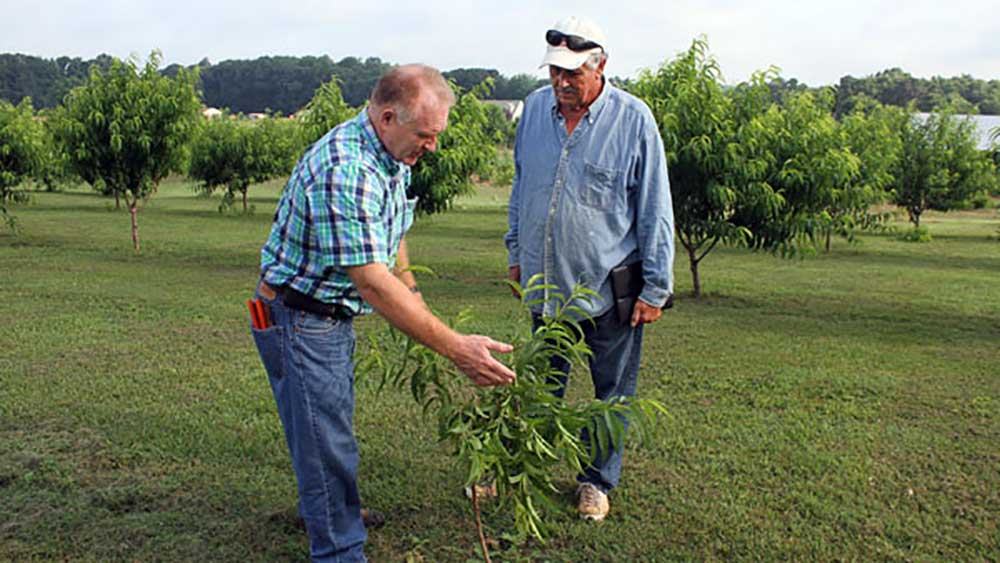
Pest and Disease Management for Peaches
Peaches will require routine pruning, training, and spray applications to control pests. Spray applications should start after petals fall from flowers in the spring and several applications may be needed during the growing season. A combination insecticide and fungicide product called a Home Fruit Tree Spray is often available from garden centers and should simplify this task. Always read and follow the label directions when applying pesticides and pay particular attention to limitations for the total amount of applications made and the interval between application and harvest.Additional Tree Fruit Resources
Trying to produce blemish-free peaches, apples and pears with little to no pests or disease control may be difficult. Focus on providing the best growing conditions first, and utilize recommended varieties. For more information on growing tree fruit, please refer to the 'Tree Fruit and Nuts Chapter' from the N.C. State Extension Gardener Handbook. You can also find valuable information on the N.C. State Extension Apple Portal & Peach Portal.Contact Information
For more information related to fruit tree production, please contact Daniel Simpson at 252-745-4121 or Daniel_simpson@ncsu.edu.Join our mailing list!
Enter your email address to receive updates.
Written By

More About
- Specialty Crops
- Lawn & Garden
- soil testing
- home orchard
- fig trees
- fruit tree pruning
- soil fertility
- rootstocks
- cross pollination
- apple trees
- peach trees
- NC State Extension
- fruit tree planting
- Raised Planting Beds
- Pamlico County Gardening
- tree fruit production
- pear trees
- planting fruit trees
- nematode assay
- grafted fruit trees
- dwarf fruit trees
- fruit tree varieties
- pest management for fruit trees
- drainage for fruit trees