If you haven’t made plans to plant your fall collards, now is the time to start that process. Collards are a southern staple that can be found on many holiday tables. Packed with vitamin A and K, this easy to grow crop is worth the investment.
How to Prepare Soil for Fall Collards
Before planting, bring soil pH up to 6.0-6.5 and supply enough nitrogen fertilizer to keep plants green and actively growing. Changes in soil pH are best achieved with the aid of a soil test. Soil testing materials are available through the local Extension office and we can instruct you on collecting a proper sample. In the absence of a soil test, apply 1-2 lbs. of 10-10-10 fertilizer (10% nitrogen, phosphorus, and potassium) per 100 square feet before planting.
Side-dress (any application of fertilizer made after planting) with a ¼ pound of nitrogen fertilizer (21-0-0) per 100 square feet 3 to 4 weeks after seeding or transplanting, and again 3 to 4 weeks after that. Collards need nitrogen to grow large, so if you desire a good harvest do not forgo repetitive applications of nitrogen.
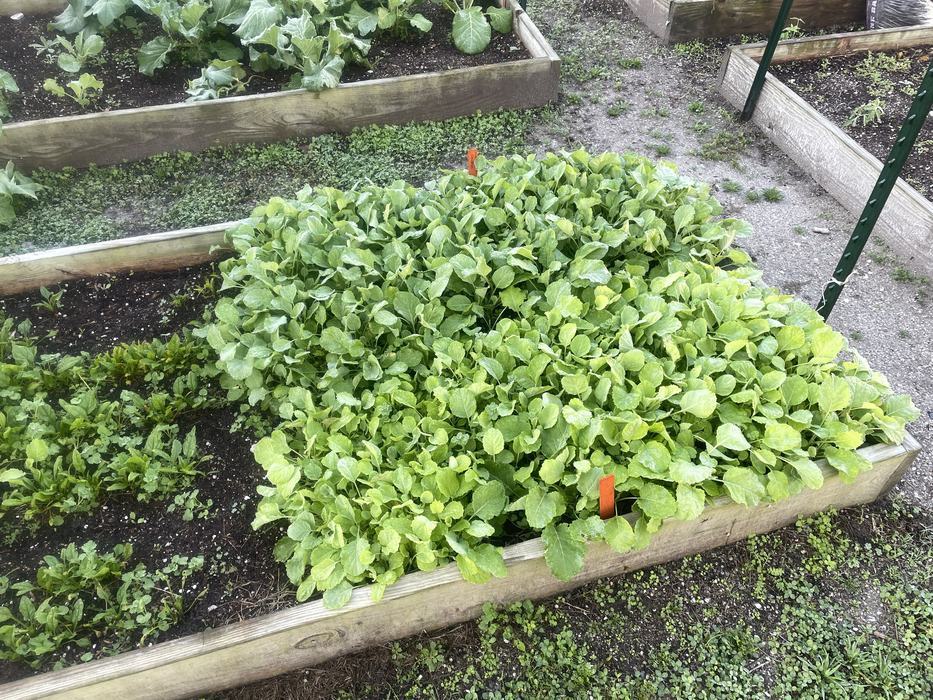
Collard transplants growing in the garden can provide a reliable way to establish a fall crop before colder temperatures slow plant growth.
How to Grow Fall Collard Transplants
You can grow your own transplants in the garden by planting seeds in rows spaced 2-4 inches apart, then thinning plants to 2-4 inches apart after germination. In about 6-8 weeks you can dig these bare-root plants up and transplant them into the garden.
When to Plant Fall Collards
Seeding of transplants is best achieved in August, providing sufficient time to grow before colder weather slows growth. Look to purchase transplants in September, and you will have better success than trying to start seed this month.
Recommended Fall Collard Varieties
Recommended varieties include Morris Heading, Yellow Cabbage, Vates, Blue Max, and Top Bunch.
Fall Collard Watering and Pest Control
Frequent watering will be required during hot sunny days and shading may be needed to improve early growth of small seedlings.
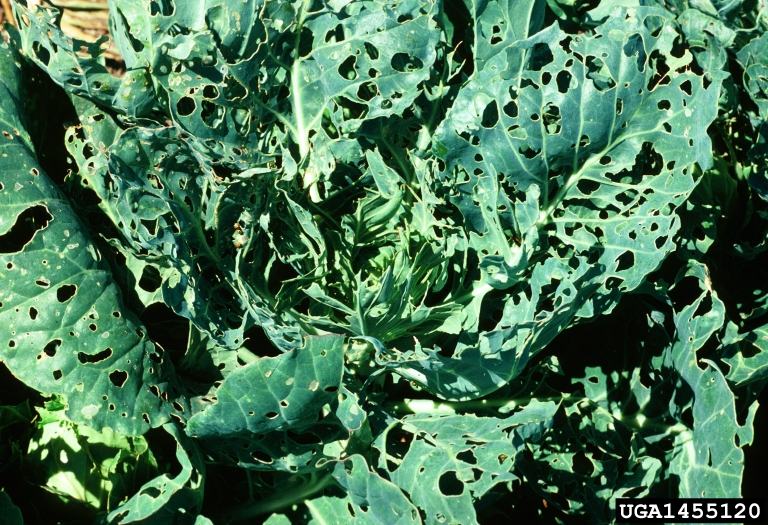
Cabbage worms can cause noticeable holes and damage to collard leaves. Early identification can help prevent small pest problems from becoming more difficult to control.
Common Pests of Fall Collards
Typical pest problems include four-legged animals, imported cabbage worms, diamondback moths, and cabbage loopers. Insecticide applications will probably be required until colder temperatures arrive to reduce pests. Physical barriers like row covers may help prevent insect infestation, but they will also increase growing temperatures. Therefore, they provide the greatest benefit during cooler temperatures in early spring.
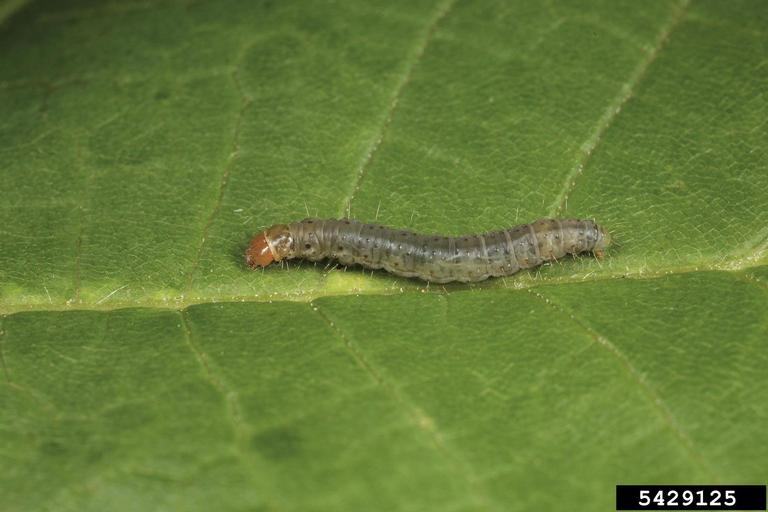
Diamondback moth larvae are small caterpillars that can feed on collard leaves. Regularly checking plants can help identify insect activity before populations become difficult to manage.
Insecticide Recommendations for Collards
Common insecticide recommendations include the active ingredients carbaryl (Sevin), Bt (Dipel), permethrin, bifenthrin, and spinosad. Small insects are easier to control, so keep a lookout for early signs of insect activity. Read and follow label directions and pay attention to harvest restrictions (time between application and safe harvest) and maximum applications per year. Rotate products when possible and remember for every worm you see, you have probably missed three.
Preventing Diseases in Fall Collards
Some diseases may arise, but they usually occur with excessively wet conditions and from saved seed or plant debris left in the garden. If possible, plant on new ground or areas in the garden that did not have a Brassica crop (cabbage, collard, broccoli, etc.) in the spring. Remove plant debris and cultivate deeply. Avoid overhead irrigation when possible as soil splashing onto leaves will spread most common collard diseases.
How to Harvest Fall Collards
To harvest collards, simply strip mature leaves from the stalks of multiple plants, leaving the growing terminal bud and immature leaves behind. This allows for a continual harvest of leaves throughout the winter as smaller leaves continue to mature, and as new leaves are produced from the terminal bud. Removal of the terminal bud will drastically slow growth, resulting in low productivity.
How to Cook and Learn More About Collards
When cooking collards, traditional recipes often include the addition of fat from bacon, smoked and salted meat to improve flavor. However, collards can be eaten raw or prepared as any other leafy green crop.
If you would like to learn more about growing and cooking collards, then review the N.C. State Extension Publication titled “Collard Greens, Grow It, Eat It”.
You can also contact Agriculture Extension Agent Daniel Simpson at 252-745-4121 or daniel_simpson@ncsu.edu.