Spring Into Lawn Care
(Updated: March 31, 2025, 11:13 a.m.)
Over the past few weeks, the Cooperative Extension office has received numerous inquiries regarding early spring lawn care. This article will address a few of those concerns to help put a spring step back into your lawn.
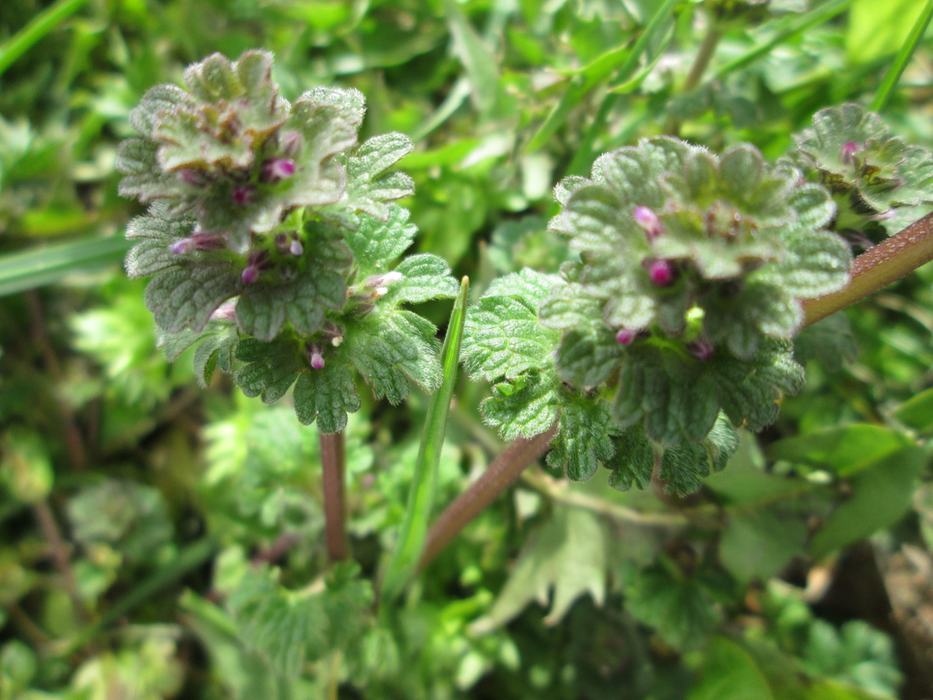
Common Winter Weeds
Annual weeds such as Chickweed (Stellaria media), Hopclover (Trifolium campestre), and Henbit (Lamium amplexicaule) germinate in the fall, grow slowly during the winter and explode in growth in the spring. Warm temperatures will eventually bring their death as they flower and set seed. Other perirenal cool-season weeds like White Clover (Trifolium repens) may persist all year long, but are most noticeable in the spring.Best Time for Weed Control
Control of broadleaf weeds is best accomplished in late fall or early winter when plants are still small, with herbicide applications containing a combination of broadleaf weed killers. If we wait until early April, many of these plants are flowering and setting seed, and are far less responsive to herbicide. We must also consider that our turfgrass is just beginning to come out of winter dormancy; a period called spring green-up.Herbicide Application Considerations
Many of the available broadleaf herbicides that can be used in warm season turf (Bermuda, Zoysia, St. Augustine, Centipede) warn against applications until several weeks after spring green up or after several mowings.Centipdedegrass Sensitivity to Herbicides
Centipedegrass, which is the predominant grass type in Pamlico County, is especially sensitive to herbicide products containing the active ingredient 2,4-D. As 2,4-D is common among our broadleaf weed killers, homeowners should follow herbicide labels carefully. For recommendations on weed control, visit the NC State Extension TurfFiles website and explore the Weeds tab. Within this site, you can select from numerous weeds found in North Carolina and find recommended control options.Fertilization Guidelines
A second issue involves fertilization. Warm season grasses do not begin active growth until soil temperatures rise in the spring.Best Timing for Fertilization
Fertilization of Zoysia, Bermuda, and St. Augustine should probably be delayed until around April 15 when chances of frost are remote. Fertilization of centipedegrass should be delayed until May when this turf has been actively growing for several weeks.Centipedegrass Fertilization Requirements
Centipedegrass is a low maintenance grass, requiring few inputs. A single application of nitrogen applied in May at approximately 0.5 pound of nitrogen per 1000 square feet is usually all that is required. On sandy soils, an additional 0.5 pound of nitrogen can be applied in July or August. High soil phosphorus levels are detrimental to centipedegrass, so it is best to only apply phosphorus if a soil test requires it. Potassium can be applied along with nitrogen and generally is beneficial to most soils in Pamlico County.Understanding Fertilizer Labels
When choosing fertilizer remember that the three numbers (N-P-K, 8-0-24) you see on the bag represent nitrogen, phosphorus, and potassium. For centipedegrass choose products that contain zero phosphorus. To learn more about fertilization and general maintenance of turfgrass, you should visit the NC State Extension TurfFiles website at and review the lawn maintenance calendars available for each turf type.Pest-Related Issues
Lastly, be on the lookout for pest-related issues such as Large Patch Disease and Mole crickets.These pests can cause significant damage to your lawn if left untreated, so early identification and proper management are key to maintaining healthy turf.Large Patch Disease
Going into winter, many lawns were showing signs of large patch disease (Rhizoctonia solani), which is active during cool wet weather. As lawns green up, you may notice areas of circular brown dead grass that died as a result of large patch disease.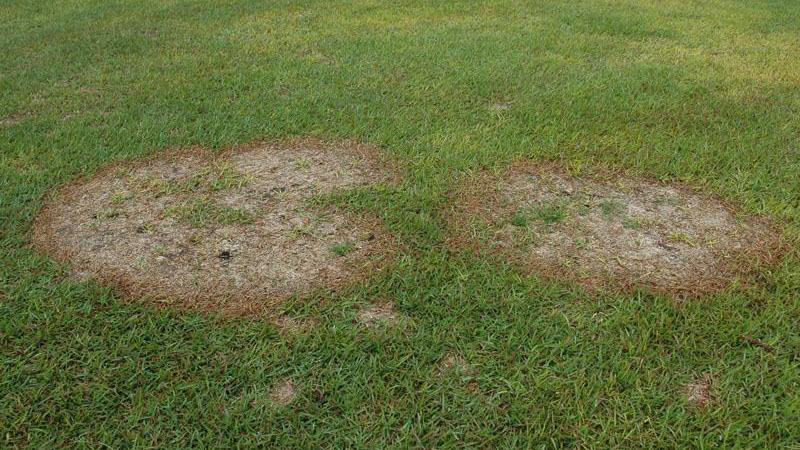
Treatment and Prevention of Large Patch Disease
Many of these areas will slowly recover over the summer, so be patient. Spot applications of fungicide applied during spring green up may help with the prevention of additional disease development while temperatures are still cool. Large patch is best controlled on a preventative basis with targeted fungicide applications in the fall when soil temperatures begin to drop below 70 degrees Fahrenheit. For more information on Large Patch, visit this NC State Extension TurfFiles note.Mole Cricket Damage
Another pest of concern that we should be on the lookout for is mole crickets. Mole crickets tunnel through turf pushing up roots and generally create an unthrifty turf.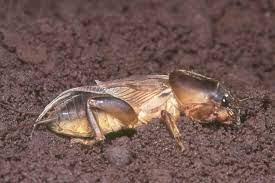
Mole Cricket Damage Alert – These underground pests tunnel through turf, damaging roots and causing thinning grass. Early spring or summer treatments can help control infestations.
Control Methods for Mole Crickets
Mole crickets can cause severe damage, especially in areas where homeowners are unaware of their existence. Insecticide applications applied in early spring may help reduce numbers of adult insects before they have a chance to lay eggs. Otherwise, June is the best time for control when insects are small and more susceptible to insecticide. To learn more about mole cricket control visit this NC State Extension TurfFiles note.Contact Information
If you have additional questions or concerns for your turf, please visit our office or contact Daniel Simpson at 252-745-4121 or Daniel_simpson@ncsu.edu.
Written By